

0.
344
gm/l
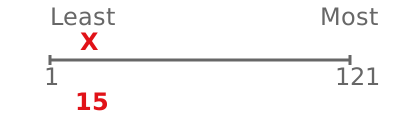
If sour
Extract moreIf bitter
Extract lessIf you haven’t measured your beans, treat this recipe as a starting guess. If you have, it’s usually right first time, and almost always within one change. The espresso coffee recipe series is designed for this: taste your shot, then move up the series for more extraction or down for less. Don’t hesitate to experiment with another recipe based on your taste test results—finding what tastes best for you is worth it!
1.4
6
Dark/French Roast
Don’t get hung up on the details. If you can’t change your pressure, maybe you don’t have a complete set of baskets, you don’t know what that grind size even means. It doesn’t matter.
Providing you are changing the dose, the yield, the ratio, the bits you can, you will be changing the TASTE, and that is what matters. YOU are finding a RECIPE that tastes better than the last recipe you tried.
Pre-heat your espresso machine, portafilter, basket, and coffee cup.
Get your single dose out of the freezer. If you are not single-dosing and freezing your coffee, read How to Store Coffee Beans – 9 tips. While at it, read Best Coffee Beans – Six Purchasing Tips.
Shots of espresso these days are nearly always a double shot of espresso. Double shots are now the standard in America and many places worldwide. A single shot of espresso is scarce. Traditionally, a single shot (solo) of espresso uses about 7g of espresso-fine grounds. If you want to make a single, pull a double, but use a split portafilter to halve the shot.
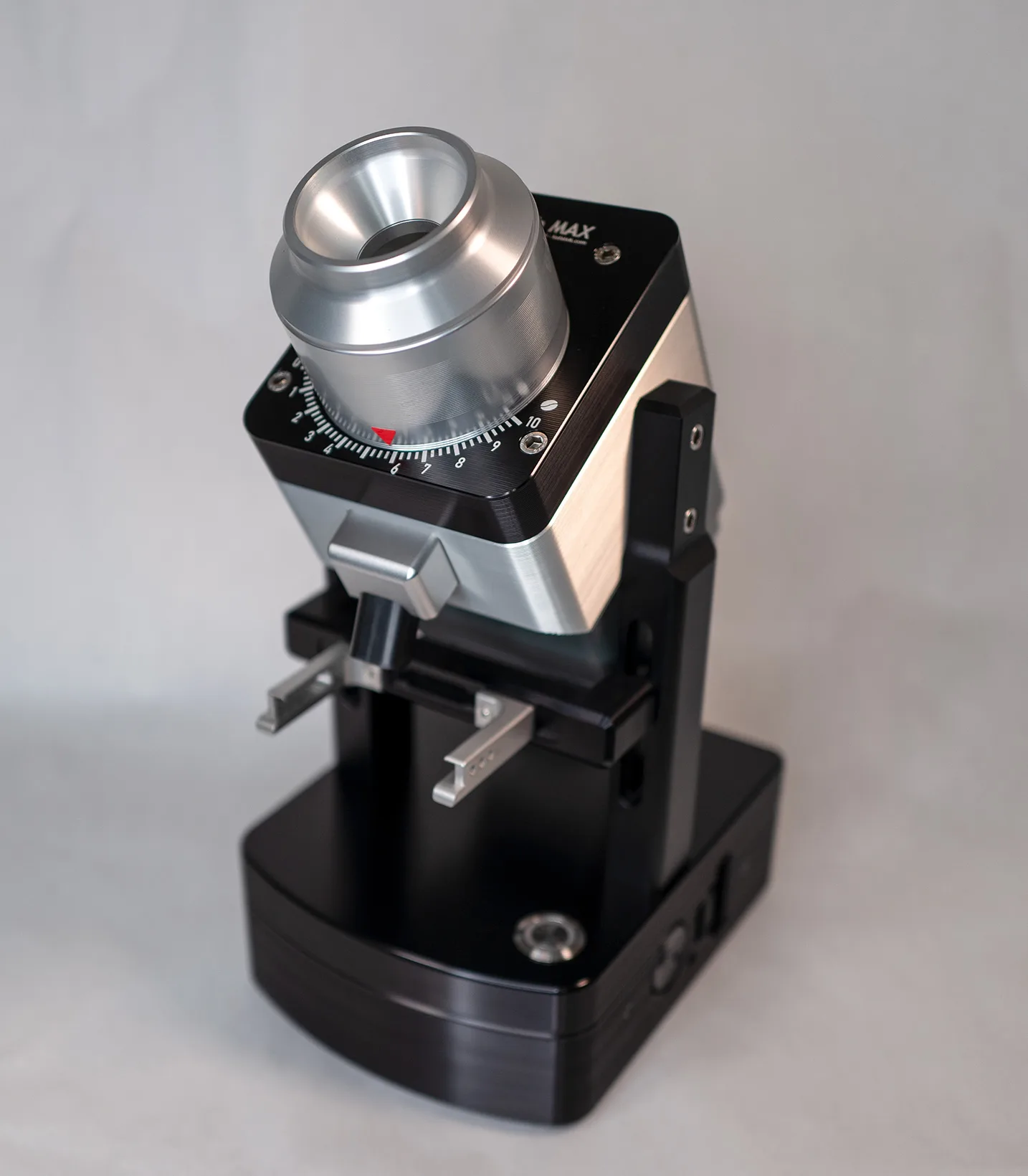
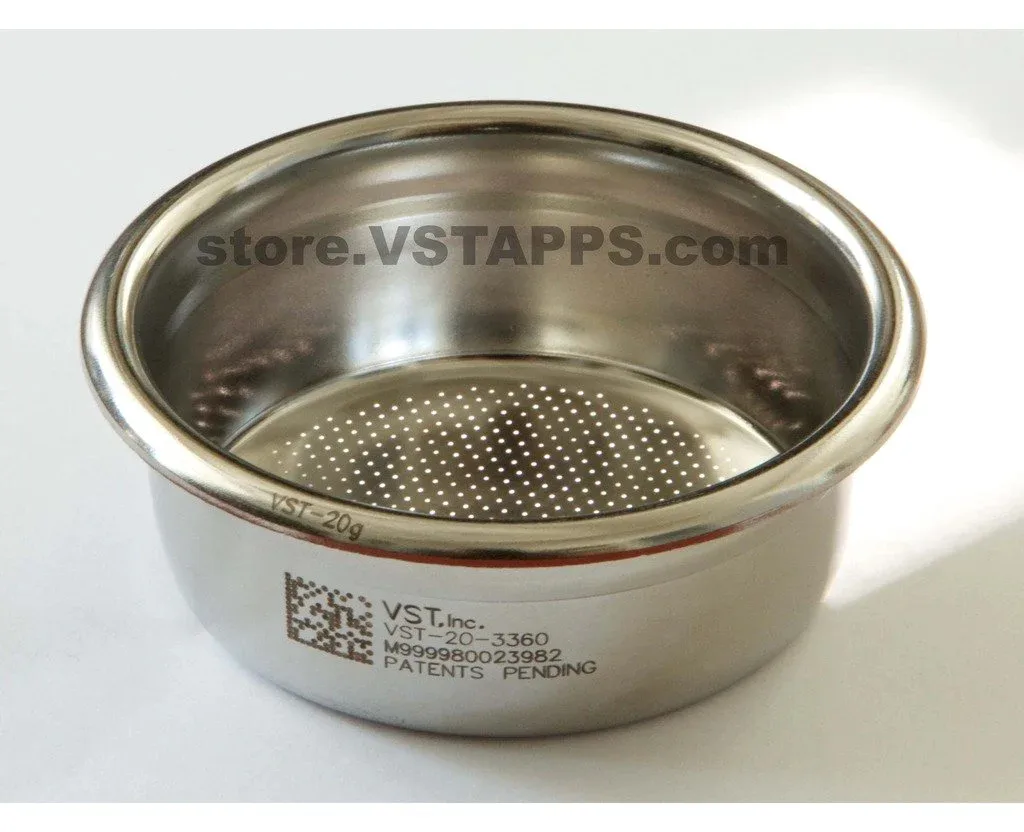
Grind your frozen coffee; do not defrost it. Either grind into an espresso shaker funnel or using a dosing funnel, grind it into the right-sized basket in a naked portafilter.
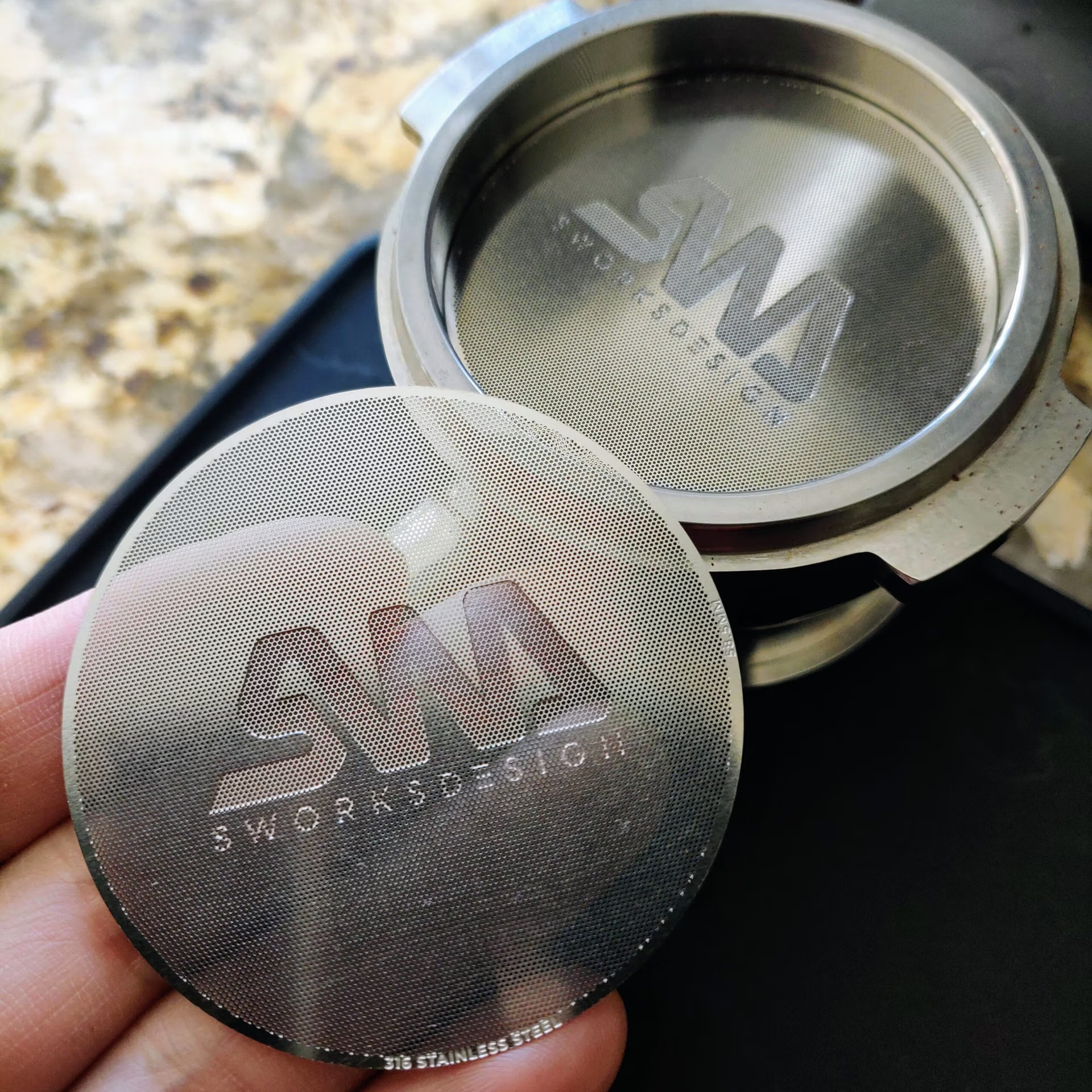
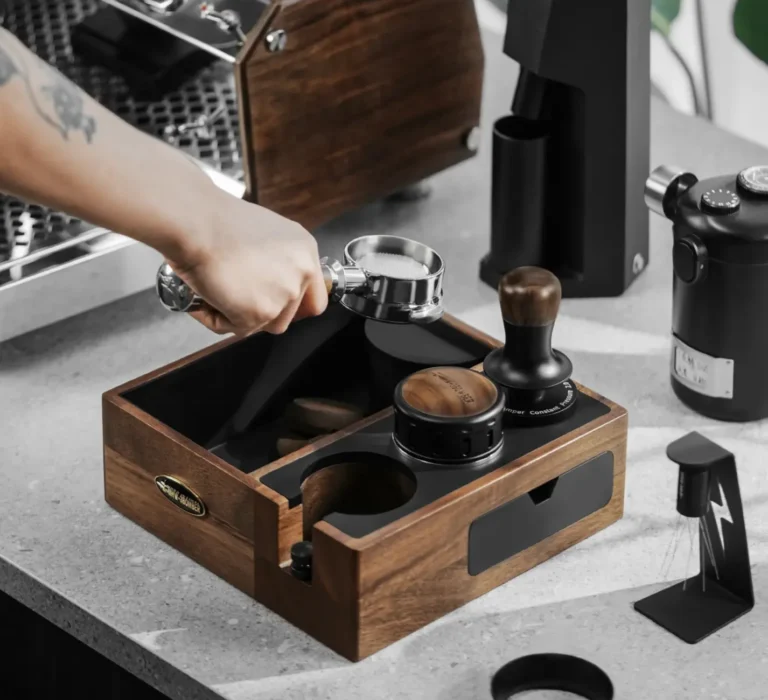
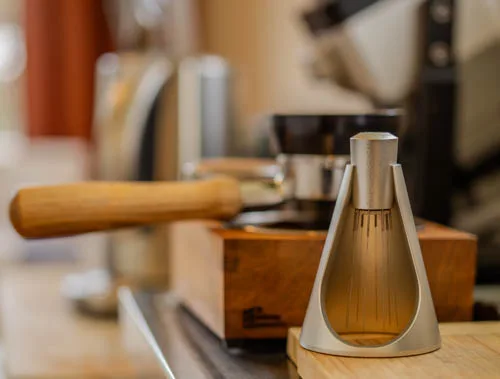
Puck prep: I use a WDT tool to break up clumps and redistribute them. I use a levelling tool and a levelling palm tamper. Then, I cover it with a shower screen to help evenly distribute the water.
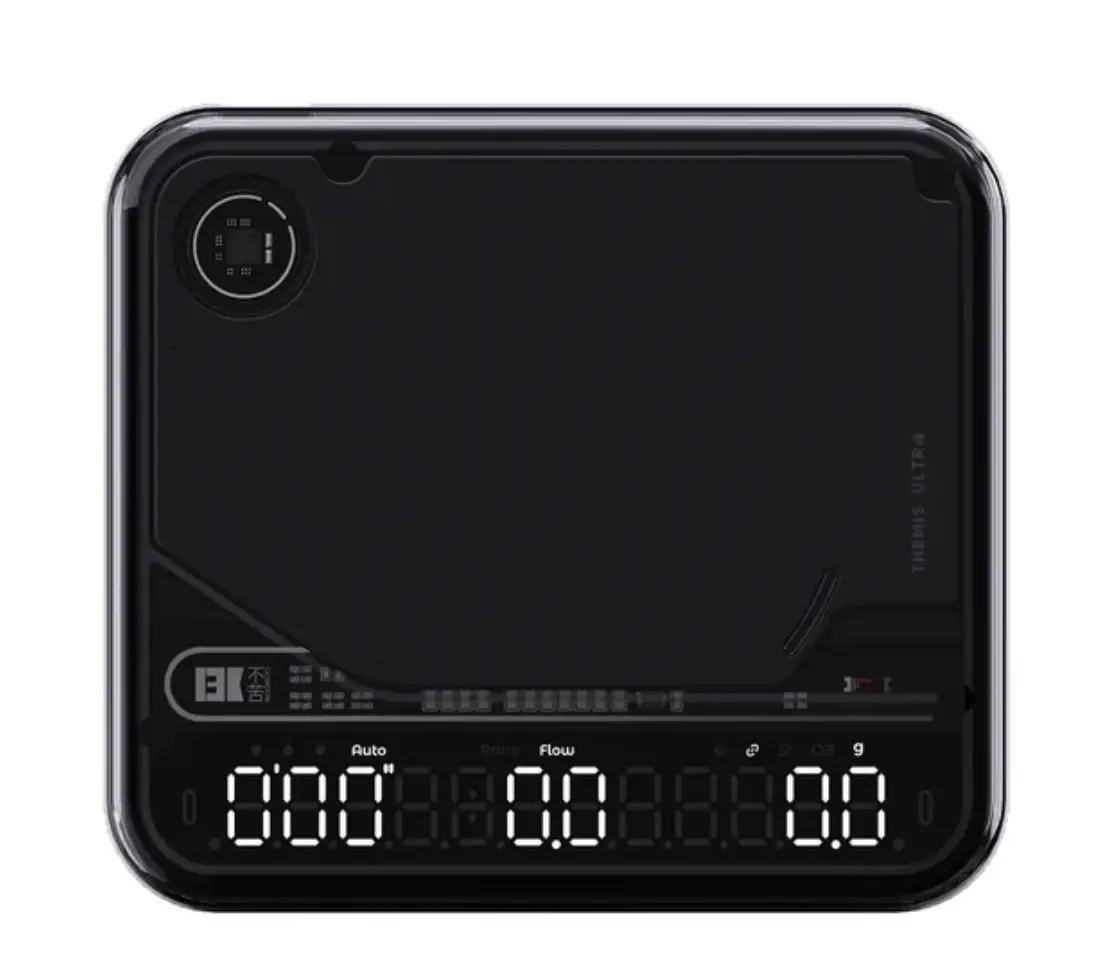
Place the scales under your cup, tare, and start the timer.
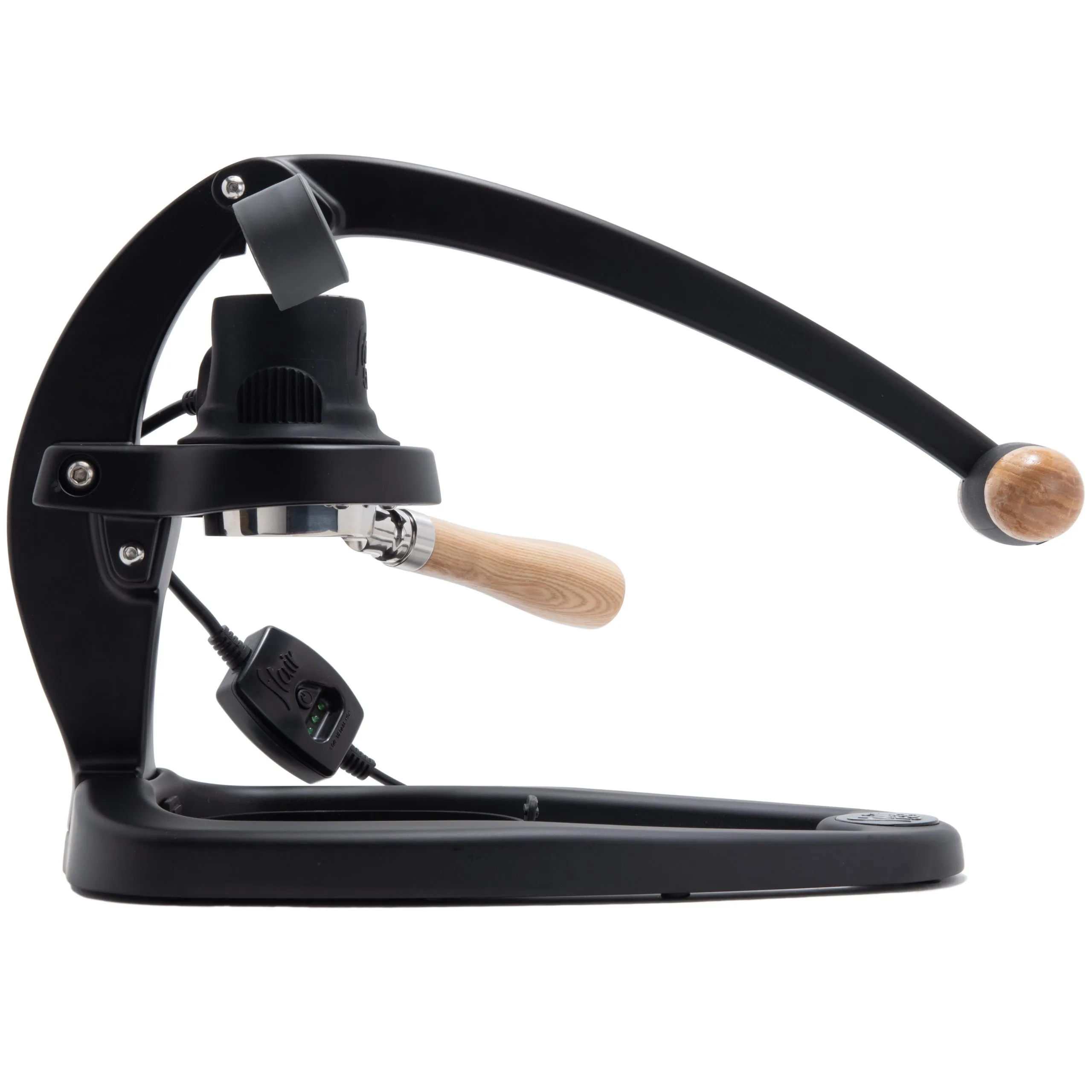
Increase the pressure to 0 bar and stop at the first drip. You’ll find this hard without a manual lever espresso machine such as a Flair58+.
Pre-infusion is critical; it is where most of the extraction occurs, and just like the bloom phase in filter coffee, it needs a good 30-60 seconds. If your coffee is fresh and you stored it frozen, it needs to degas and have plenty of time to extract all the good stuff. You are NOT in a hurry.
You can monitor the extraction, use a mirror to watch the bottom of the naked portafilter, but really you just need to see the first drip hit the cup, then stop and wait.
You are NOT looking for those old-fashioned things: convergence streams, avoiding spritzes, colour progression, blonding point, cut-off signals. That was all wrong.
After the preinfusion bloom phase, wash off the extraction with a steady flow rate.
It is your choice to push hard and intentionally get a bit of crema bitterness, good for latte art, or go slow and avoid pushing through fines.
Stop the shot once you have reached your target yield. The extraction time is meaningless.
Adjusting your grind size isn’t as important.
Using an Oxo Rapid Brewer? You can make an espresso-strength concentrate with this recipe’s dose and ratio. Add the Oxo brew water shown above (the yield plus an allowance for the water the grounds hold back). Push gently and stop at the first drip, wait 60 seconds to bloom and extract, then pump until bubbles start to appear. You should end up with the right yield for the dose and ratio.
Now, the most crucial step. Before adding milk, stir the espresso and crema, dip a teaspoon in and taste (you don’t need a spoonful; it just needs to be wet). Is the coffee sour? If so, next time you make this coffee, extract more using the recipe indicated by the button above.
If the coffee isn’t sour, ask yourself whether it is very bitter. Bitterness is harder to judge because all coffee is bitter to some extent. However, you can reduce bitterness by extracting less. Go too far, and it will turn sour. You are looking for the calm spot in between. Just above sour tastes best. If you need to reduce bitterness next time you make this coffee, extract less by using the recipe indicated by the button above.
Add the bypass hot water (optional). Adding hot water reduces the blanket of milk and increases the coffee’s apparent strength while keeping the volume up.
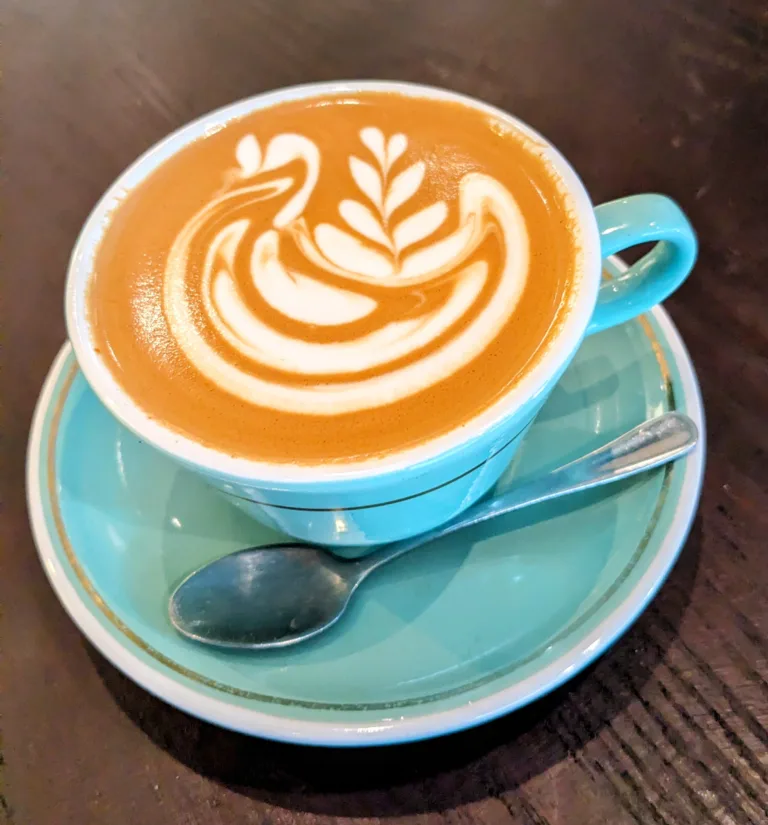
Add the steamed milk. Espresso con panna (whipped cream) may be a little OTT, but adding 5-10ml of cream to your milk before steaming can help the body and taste. Another great option is adding 15% coconut milk.
I only endorse equipment I have purchased myself, and I do not earn a commission or have any links to the companies I recommend.
This is an excellent coffee; Pacamara is one of El Salvador’s signature varieties, Finca Santa Rosa began as a reforestation project, the red honey process is sweet and juicy, and it is roasted by Onyx Coffee Lab in Arkansas. If you haven’t tried it, don’t miss out, grab some here: El Salvador Santa Rosa Honey – Onyx Coffee Lab
Raul manages Finca Santa Rosa in the Chalatenango region of El Salvador. Onyx says its relationship with the farm goes back more than a decade, and the last eight years have been an increasingly collaborative process of selection, feedback and refinement. Raul is known for precision in agronomy, processing and lot separation, and Onyx buys individual day lots, selecting only Pacamara that meets an exceptionally high quality threshold.
The farm began as a reforestation project, with coffee later planted underneath the existing shade canopy. That is an uncommon approach, and it creates distinctive growing conditions while preserving forest diversity.
Chalatenango is a mountainous department in northern El Salvador. Finca Santa Rosa sits at 1,650 metres above sea level, and harvest runs mainly from January through April.
ORIGIN: CHALATENANGO, EL SALVADOR
PRODUCER: RAUL
FARM: FINCA SANTA ROSA
ALTITUDE: 1,650 METRES ABOVE SEA LEVEL
VARIETY: PACAMARA
PROCESS: RED HONEY
Pacamara was created by El Salvador’s Instituto Salvadoreño de Investigaciones del Café as a cross between Pacas and Maragogipe. It has very large beans, a compact stature and low yields, and it is not uniform: plants can vary from one generation to the next. Onyx notes it loomed large in specialty coffee in the early 2000s, winning numerous competitions before newer varieties took the spotlight.
At high altitude Pacamara can produce exceptional cup quality, often with a distinctive texture and a mix of fruit, floral and herbal notes. It is susceptible to leaf rust, coffee berry disease and nematodes.
Red honey processing has nothing to do with honey. The cherries are depulped but the sticky fruit layer (mucilage) is left on the outside of the seed, which is then dried on covered raised beds for an average of about fifteen days. Leaving more mucilage on than a washed coffee gives extra sweetness and body without the fruit-forward intensity of a natural.
Onyx tastes red grape, rose, mulberry and vanilla. The lot scored 87.25 points.
Onyx Coffee Lab is an Arkansas-based specialty roaster. This lot is roasted ultra-light (Agtron #133) and Onyx recommends it for both espresso and filter. It is available in sizes from 2 oz up to 5 lb.
Model Version:
20261009.06
I have a dream: that this might raise the standard of coffee-making globally, reduce dialling in waste, time, and frustration, and encourage people to explore more varieties and pay more attention to the producers. You might even be prepared to pay more for better coffee if it pleases you, returning more money to growers.
You can help. The best thing you can do is spread the word on other platforms, such as Reddit or Facebook coffee forums, and share with others how this method can solve everyday problems.
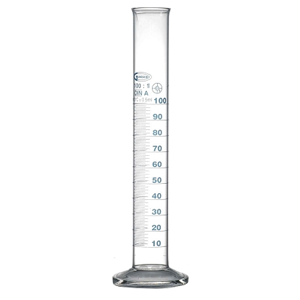
Using 0.1g accurate scales and the recommended 100ml measuring cylinder, and entering quality data into the form, helps improve the model. So does evidence-based feedback for parameter range adjustments.
You can also support the site financially via Buy me a coffee to help with ongoing running costs, site hosting fees, and plug-in subscriptions.