

0.
338
gm/l
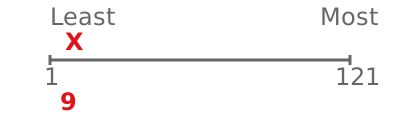
If sour
Extract moreIf bitter
Extract lessIf you haven’t measured your beans, treat this recipe as a starting guess. If you have, it’s usually right first time, and almost always within one change. The espresso coffee recipe series is designed for this: taste your shot, then move up the series for more extraction or down for less. Don’t hesitate to experiment with another recipe based on your taste test results—finding what tastes best for you is worth it!
1.2
6
Dark/Italian Roast
Don’t get hung up on the details. If you can’t change your pressure, maybe you don’t have a complete set of baskets, you don’t know what that grind size even means. It doesn’t matter.
Providing you are changing the dose, the yield, the ratio, the bits you can, you will be changing the TASTE, and that is what matters. YOU are finding a RECIPE that tastes better than the last recipe you tried.
Pre-heat your espresso machine, portafilter, basket, and coffee cup.
Get your single dose out of the freezer. If you are not single-dosing and freezing your coffee, read How to Store Coffee Beans – 9 tips. While at it, read Best Coffee Beans – Six Purchasing Tips.
Shots of espresso these days are nearly always a double shot of espresso. Double shots are now the standard in America and many places worldwide. A single shot of espresso is scarce. Traditionally, a single shot (solo) of espresso uses about 7g of espresso-fine grounds. If you want to make a single, pull a double, but use a split portafilter to halve the shot.
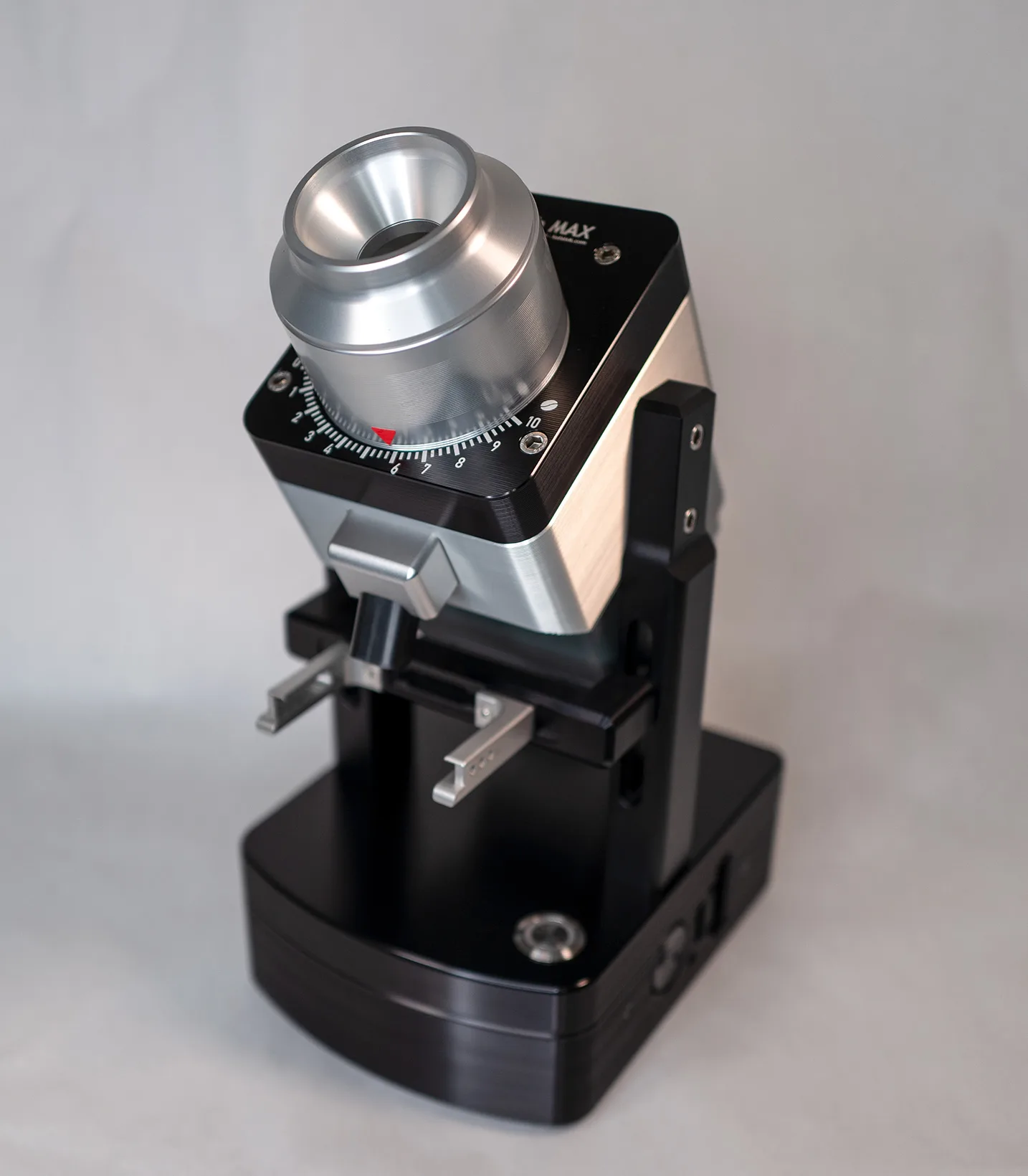
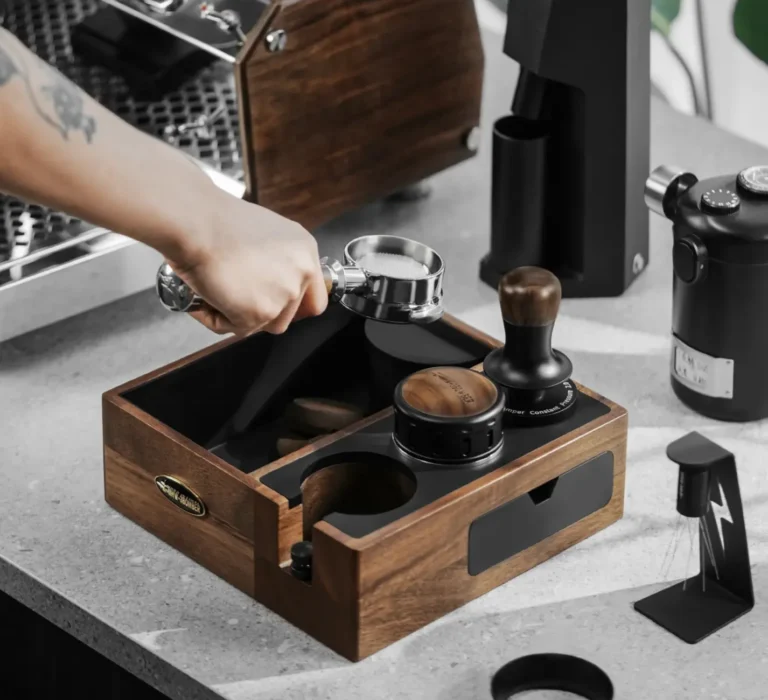
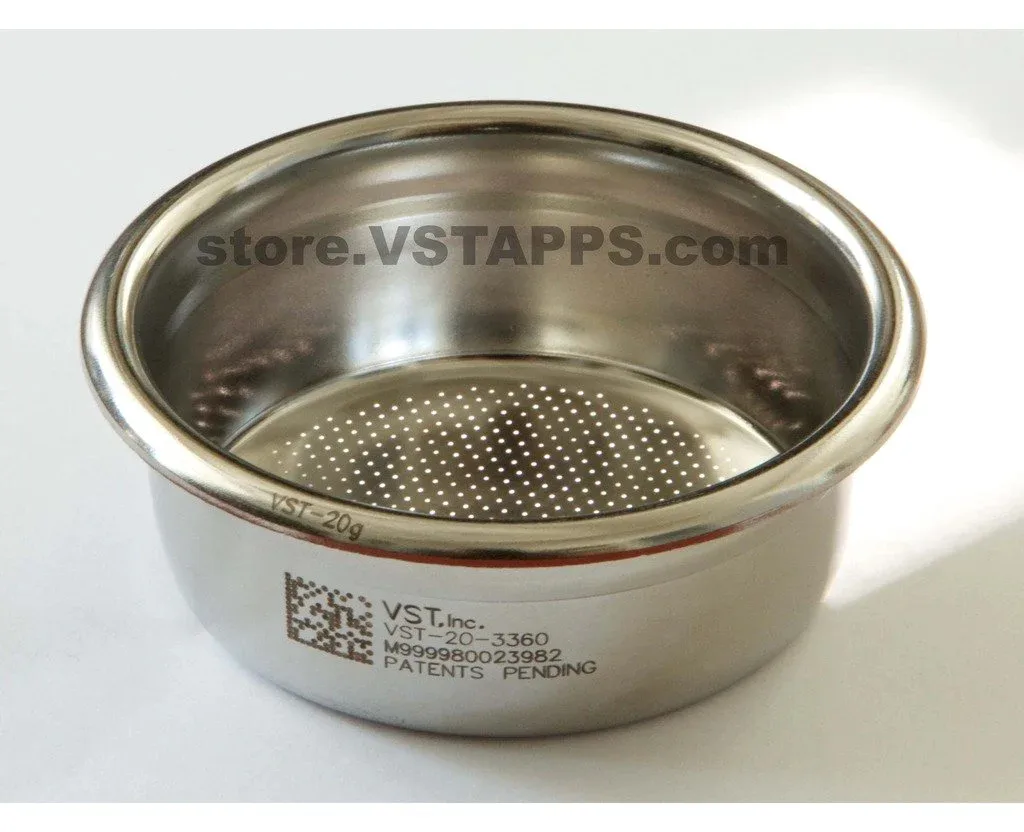
Grind your frozen coffee; do not defrost it. Either grind into an espresso shaker funnel or using a dosing funnel, grind it into the right-sized basket in a naked portafilter.
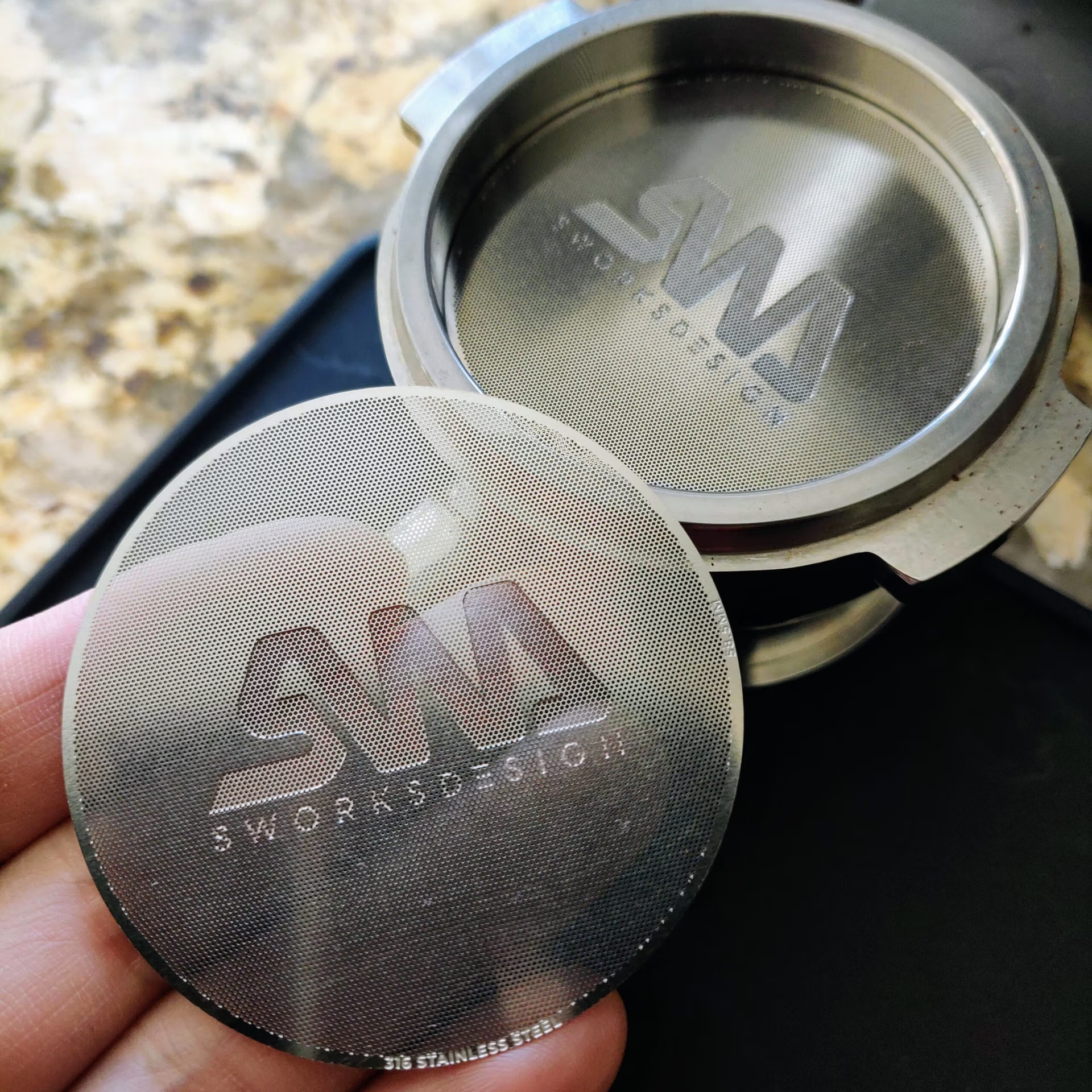
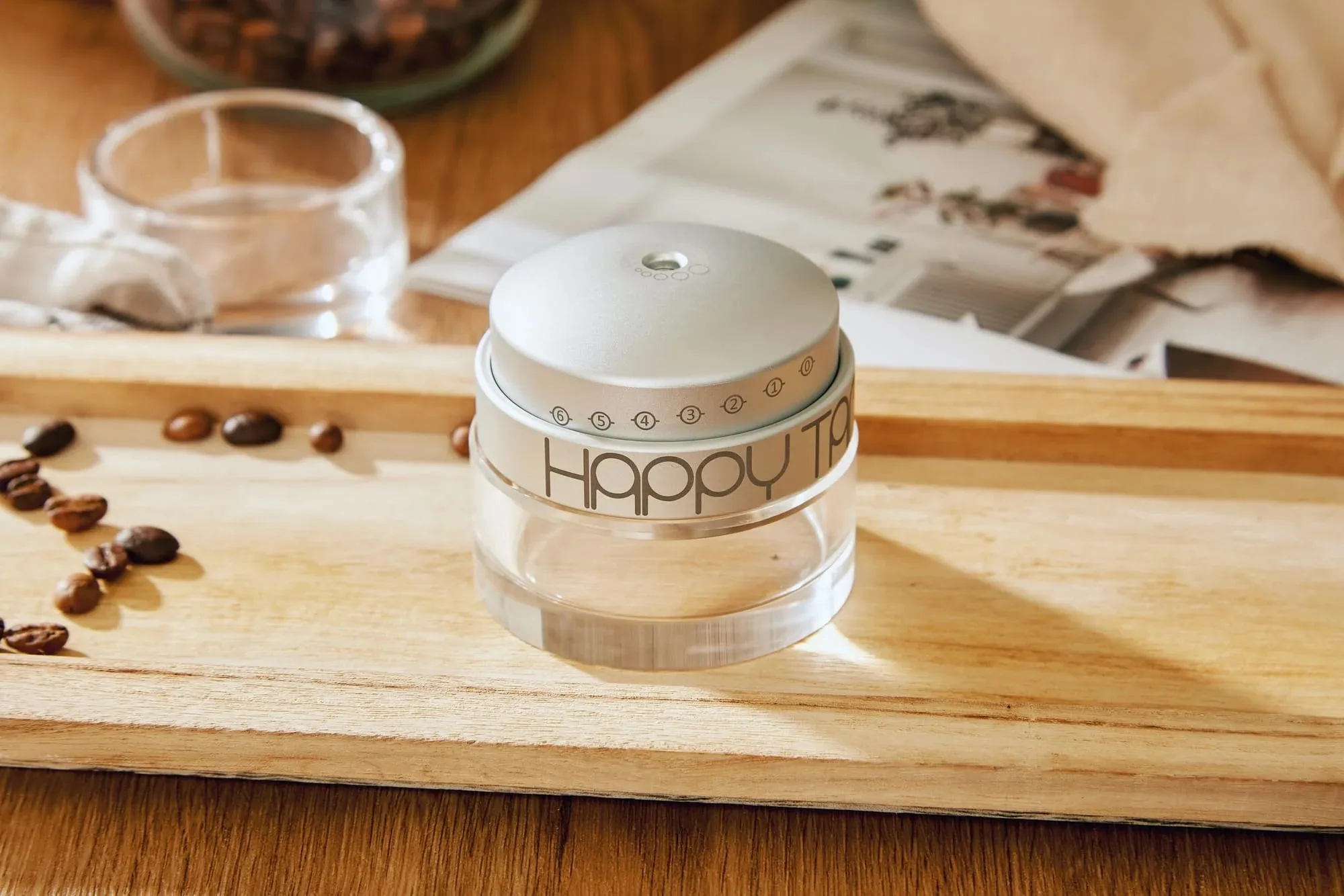
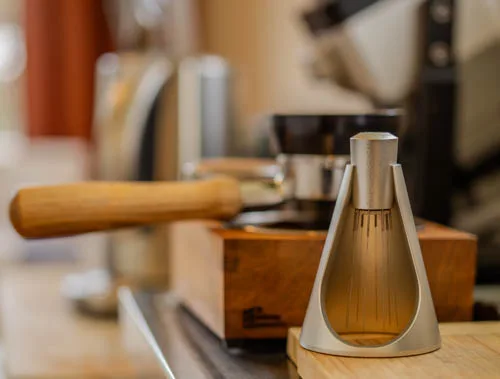
Puck prep: I use a WDT tool to break up clumps and redistribute them. I use a levelling tool and a levelling palm tamper. Then, I cover it with a shower screen to help evenly distribute the water.
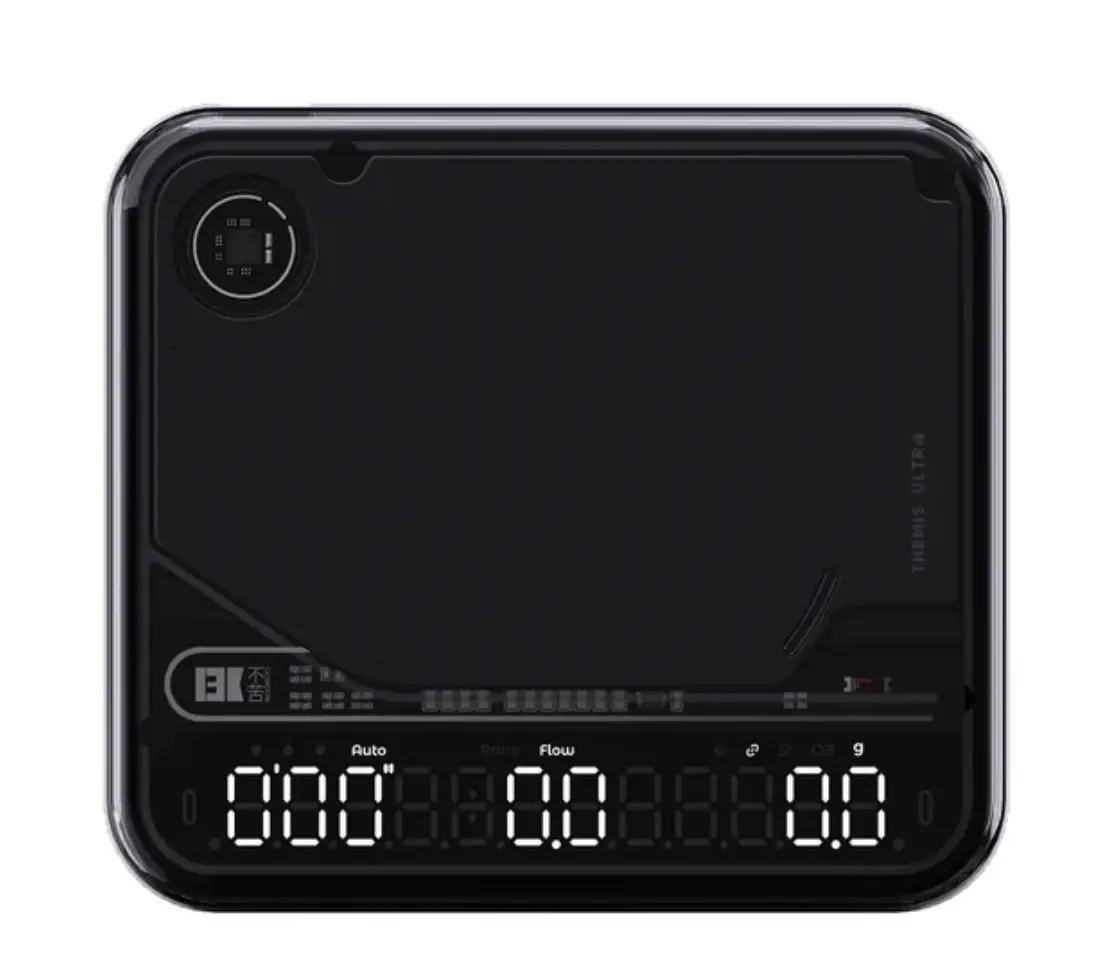
Place the scales under your cup, tare, and start the timer.
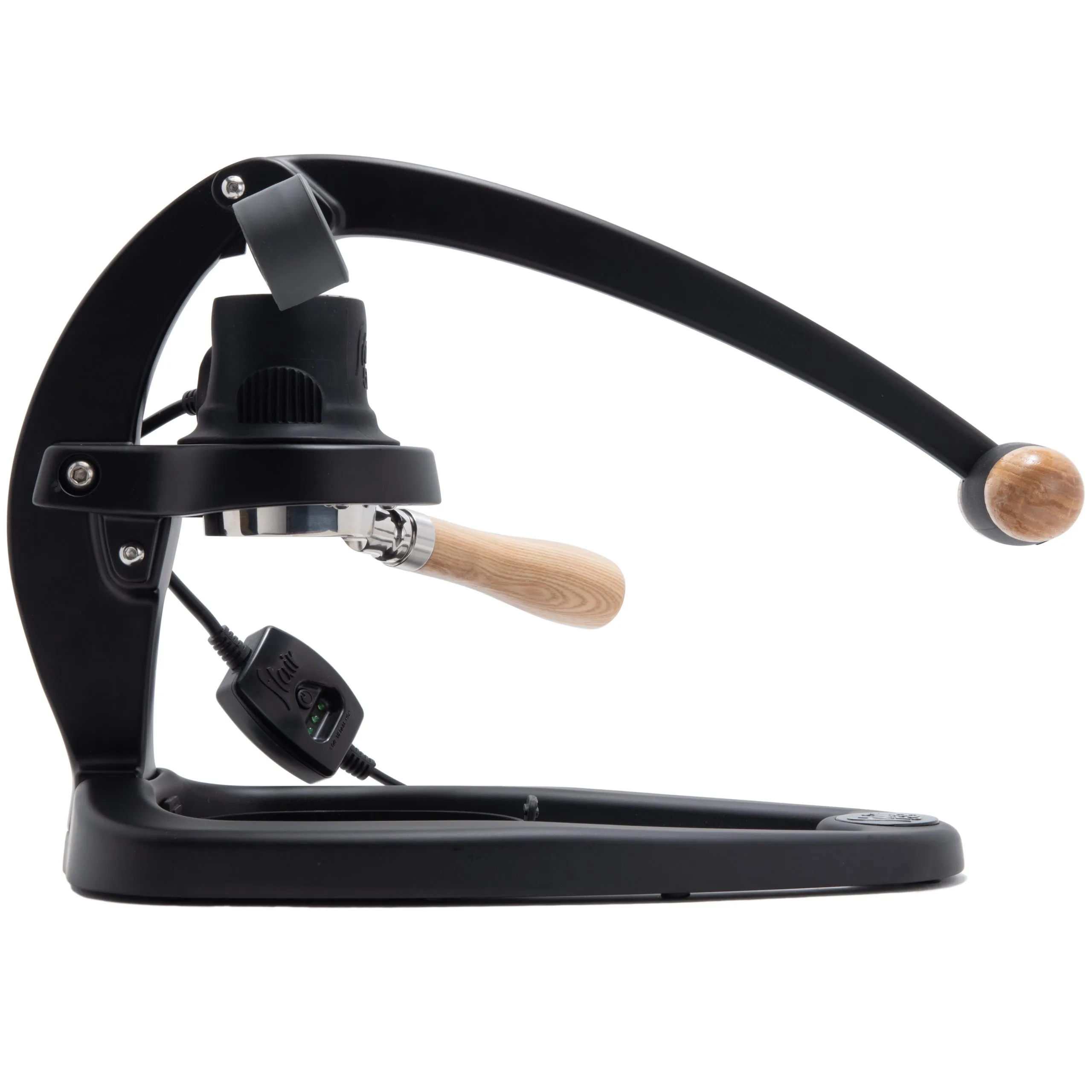
Increase the pressure to 0 bar and stop at the first drip. You’ll find this hard without a manual lever espresso machine such as a Flair58+.
Pre-infusion is critical; it is where most of the extraction occurs, and just like the bloom phase in filter coffee, it needs a good 30-60 seconds. If your coffee is fresh and you stored it frozen, it needs to degas and have plenty of time to extract all the good stuff. You are NOT in a hurry.
You can monitor the extraction, use a mirror to watch the bottom of the naked portafilter, but really you just need to see the first drip hit the cup, then stop and wait.
You are NOT looking for those old-fashioned things: convergence streams, avoiding spritzes, colour progression, blonding point, cut-off signals. That was all wrong.
After the preinfusion bloom phase, wash off the extraction with a steady flow rate.
It is your choice to push hard and intentionally get a bit of crema bitterness, good for latte art, or go slow and avoid pushing through fines.
Stop the shot once you have reached your target yield. The extraction time is meaningless.
Adjusting your grind size isn’t as important.
Using an Oxo Rapid Brewer? You can make an espresso-strength concentrate with this recipe’s dose and ratio. Add the Oxo brew water shown above (the yield plus an allowance for the water the grounds hold back). Push gently and stop at the first drip, wait 60 seconds to bloom and extract, then pump until bubbles start to appear. You should end up with the right yield for the dose and ratio.
Now, the most crucial step. Before adding milk, stir the espresso and crema, dip a teaspoon in and taste (you don’t need a spoonful; it just needs to be wet). Is the coffee sour? If so, next time you make this coffee, extract more using the recipe indicated by the button above.
If the coffee isn’t sour, ask yourself whether it is very bitter. Bitterness is harder to judge because all coffee is bitter to some extent. However, you can reduce bitterness by extracting less. Go too far, and it will turn sour. You are looking for the calm spot in between. Just above sour tastes best. If you need to reduce bitterness next time you make this coffee, extract less by using the recipe indicated by the button above.
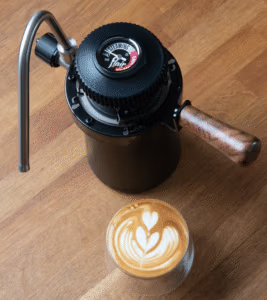
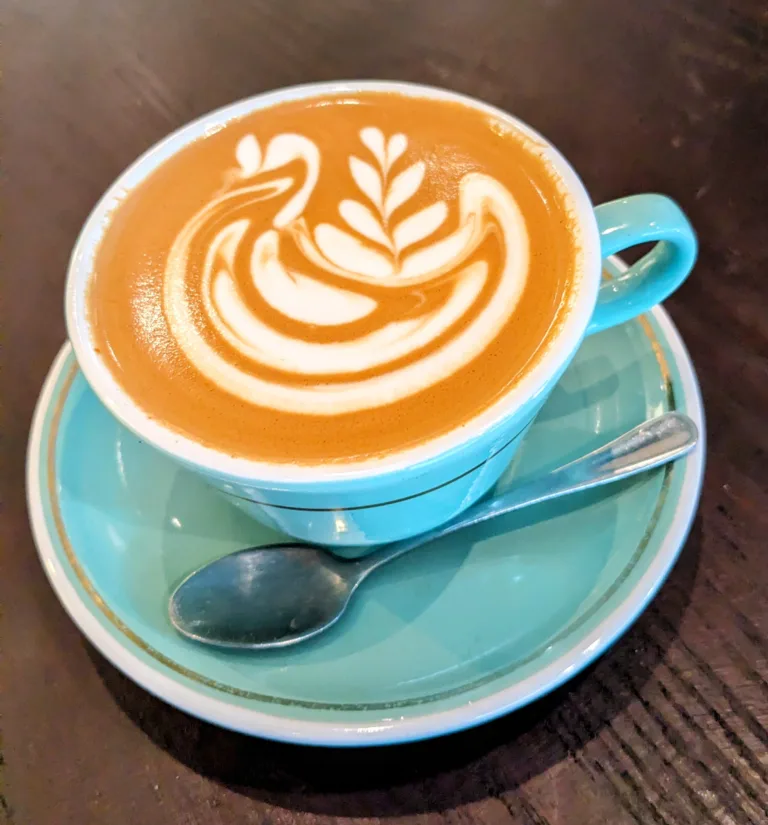
Add the bypass hot water (optional). Adding hot water reduces the blanket of milk and increases the coffee’s apparent strength while keeping the volume up.
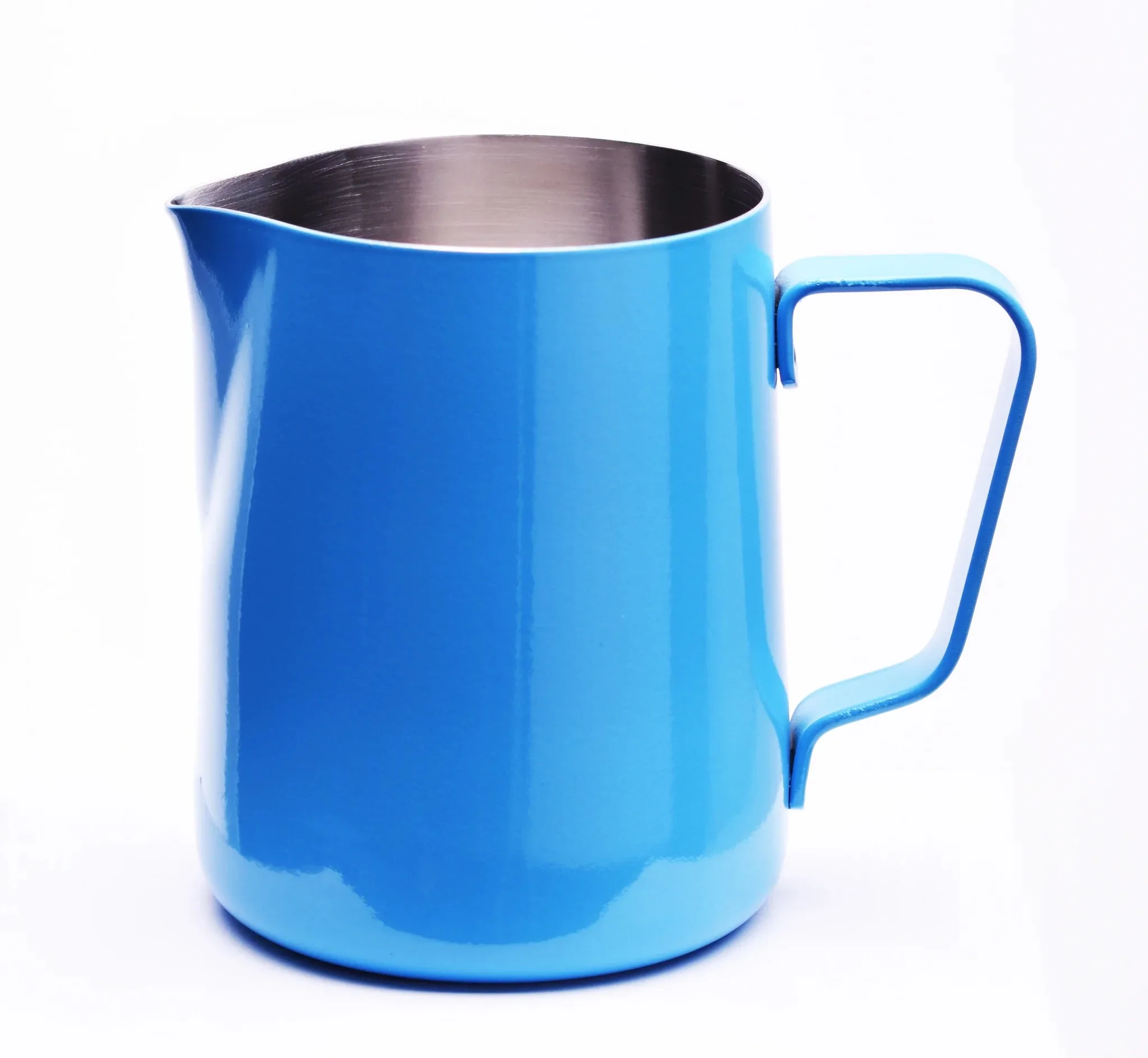
Add the steamed milk. Espresso con panna (whipped cream) may be a little OTT, but adding 5-10ml of cream to your milk before steaming can help the body and taste. Another great option is adding 15% coconut milk.
I only endorse equipment I have purchased myself, and I do not earn a commission or have any links to the companies I recommend.
This is an excellent coffee; Sidra is one of the most sought-after varieties in specialty coffee, Jairo Arcila is a great producer, the natural processing is bold and fruit-forward, and it is roasted by one of New Zealand’s top roasters – Logan Collinge @ Hammerstone Coffee. If you haven’t tried it, don’t miss out, grab some here: Santa Monica Sidra Bourbon – Hammerstone Coffee
Process level – 4/5
Jairo Arcila is a third-generation coffee grower from Quindío, Colombia. He planted his first coffee in 1987 and spent more than 45 years in the industry, including time as a mill manager for Colombia’s second-largest exporter. Since 2019 he has run his own farms full time, working alongside his wife, Luz Helena Salazar, and his sons Felipe and Carlos. The sons discovered the specialty coffee market while living in Australia, and that pushed the family toward specialty production.
Together the family is behind Cofinet, a network of quality-focused Quindío producers founded in 2015 that exports directly to specialty roasters. Felipe and Carlos run Cofinet’s La Pradera processing facility, which handles post-harvest processing, farm consulting and the supply of seeds and nursery plants.
Jairo is known for pushing processing further than most: wine yeast and fruit co-ferments, extended anaerobic fermentations, and early plantings of Geisha in Colombia. Finca Santa Monica, in Armenia, Quindío, is his largest property at around 50 hectares. As well as coffee it grows mandarin, orange, plantain and banana, and its coffee varieties include Castillo, Caturra, Geisha, Pink Bourbon, Tabi, Papayo, Red Bourbon and Sidra.
Quindío sits in the heart of Colombia’s coffee country, and its coffee landscape is part of the UNESCO-listed Coffee Cultural Landscape of Colombia (inscribed 2011). Armenia, the departmental capital, is surrounded by farms at moderate temperatures, high altitude and reliable rainfall, which is ideal for slow-ripening, high-quality cherry.
ORIGIN: ARMENIA, QUINDÍO, COLOMBIA
PRODUCER: JAIRO ARCILA
FARM: FINCA SANTA MONICA
ALTITUDE: 1,400–1,550 METRES ABOVE SEA LEVEL
VARIETY: SIDRA (SIDRA BOURBON)
PROCESS: NATURAL
Sidra is an Ecuadorian cultivar that is reported to have been developed in the 1990s on an experimental farm in northern Pichincha, in a breeding programme linked to Nestlé. The programme closed and the variety was never formally released, so it spread through farmers, with Olger Rogel and José “Pepe” Jijón among its early champions. It has since been planted in Colombia, including at La Palma y El Tucán in Cundinamarca.
The popular story is that Sidra is a Typica × Red Bourbon cross, but genetic testing has not backed that up. It points to Ethiopian landrace ancestry instead, and it is possible that more than one genotype is sold under the Sidra name.
What matters in the cup is sweetness first, then complexity. Washed Sidra tends towards jasmine, stone fruit and white grape; naturals lean to peach, apricot, nectarine and red berry. Sidra plants grow tall, with large, round red cherries and long, thin beans. The variety needs shade, performs best between about 1,650 and 1,800 metres, and is susceptible to leaf rust and other diseases, which is part of why it is not grown everywhere.
Sidra went mainstream in competition coffee when Jooyeon Jeon of Momos Coffee in Busan, South Korea, won the 2019 World Barista Championship in Boston with a lactic-processed Sidra from La Palma y El Tucán.
This is a natural, which means the whole cherry is dried with the fruit still wrapped around the seed. The seed absorbs sugars and fruit character during drying, giving a heavier body and more intense, fermentation-forward fruit than a washed coffee. Natural processing is also higher risk, because the drying has to be slow and carefully controlled to avoid over-fermentation, so it relies on skilled producers.
Hammerstone rates this lot 4/5 on its process scale, and the port wine and tamarillo notes show how expressive that is. Tamarillo, the tangy-sweet “tree tomato” popular in New Zealand, is a good clue to what to expect: deep, tart-sweet red fruit.
Hammerstone Coffee is a boutique micro roastery in Porirua, Wellington, known for meticulous sourcing and working closely with producers. It was La Marzocco Home’s Roaster in Residence in August 2024. Logan Collinge is one of its roasters.
Model Version:
20261009.06
I have a dream: that this might raise the standard of coffee-making globally, reduce dialling in waste, time, and frustration, and encourage people to explore more varieties and pay more attention to the producers. You might even be prepared to pay more for better coffee if it pleases you, returning more money to growers.
You can help. The best thing you can do is spread the word on other platforms, such as Reddit or Facebook coffee forums, and share with others how this method can solve everyday problems.
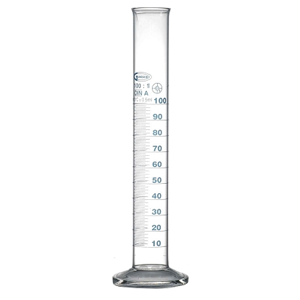
Using 0.1g accurate scales and the recommended 100ml measuring cylinder, and entering quality data into the form, helps improve the model. So does evidence-based feedback for parameter range adjustments.
You can also support the site financially via Buy me a coffee to help with ongoing running costs, site hosting fees, and plug-in subscriptions.