


RDT Ross Droplet Technique
RDT Ross Droplet Technique What is RDT in Coffee? In the world of specialty coffee, particularly espresso preparation, RDT stands for the Ross Droplet Technique. It’s a simple grinding hack that involves lightly misting roasted coffee beans with a tiny amount of water (just a few droplets) right before you grind them. The goal? To […]
Roast Name
Roast Name You’ve probably heard a few roast names. Some refer to the bean’s appearance (Cinnamon), the region it’s from (Viennese), or when it should be drunk (After Dinner). Despite this, there’s little naming standardisation. Some terms are used interchangeably, others can describe a range of roast levels, and the names don’t always directly reference […]
Drop Temperature
Drop Temperature This is information for the coffee roasters. Roasting coffee basics – CoffeeNavigated.net
Steamed Milk
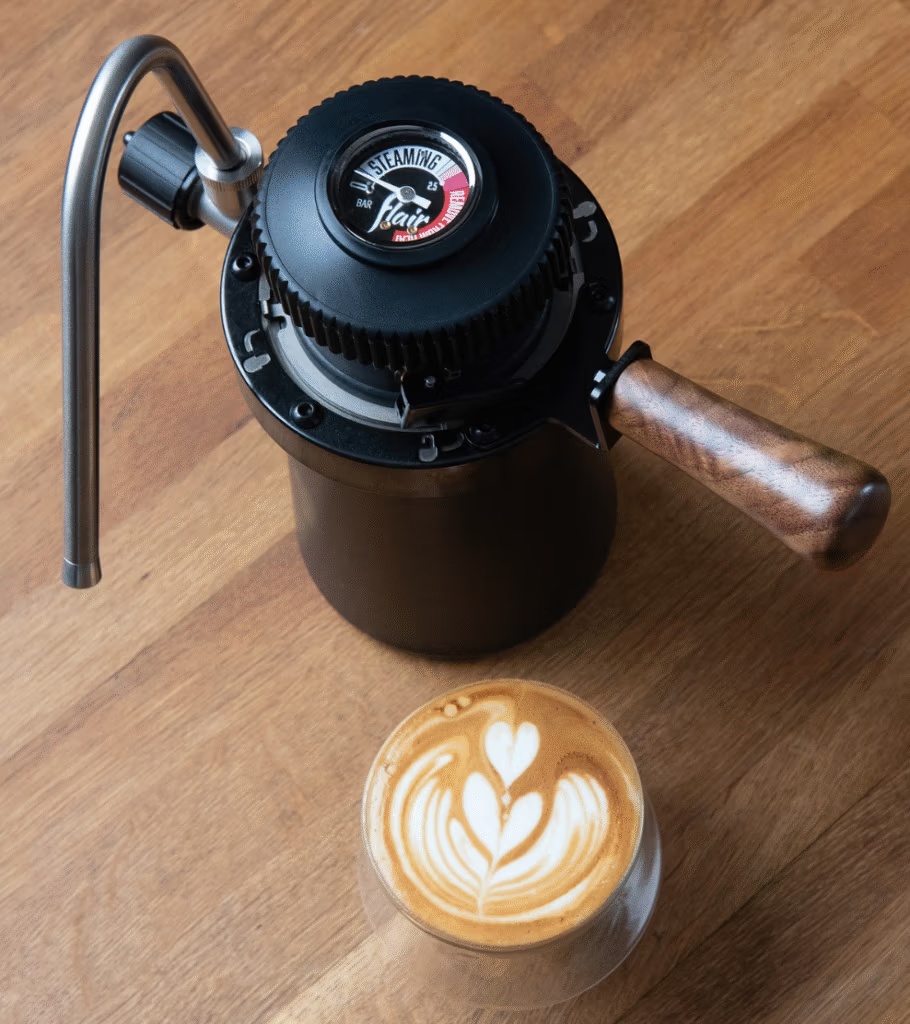
Steamed milk Milk and coffee are a marriage made in heaven. When milk is steamed to 60 Celsius, it reaches its optimum sweetness. Aerate it just enough to produce a thick paint texture.
Bypass Water Calculator
Bypass Water Calculator Very lightly roasted coffee requires a low dose and a high water ratio (as above). If you add a lot of milk, as most people do with flat whites, lattes, and cappuccinos, then the light, delicate flavor notes, fruits, acidity, and aromas of a lightly roasted coffee can easily be overwhelmed. Replacing […]
Cup Size Calculator

Cup Size Calculator Very lightly roasted coffee requires a low dose, a high water ratio, and some bypass water (as above). Using a small 5oz/150ml cup will taste better than being washed out in a large cup. At the other end of the roast/density spectrum, a very dark roasted bean is very ashy […]
Espresso Time Calculator
Espresso Time Calculator Increasing the shot time increases the level of extraction, so for a very light roast, going up to 40 seconds helps. Conversely, with very dark roasts, reducing the shot time to as low as 20 seconds helps avoid over-extraction. The time provided is for a standard 58mm basket. Small-diameter baskets have a […]
Espresso Yield Calculator
Espresso Yield Calculator Yield means the weight of coffee made. Yield = dose x ratio. For example, if your dose is 20g and your ratio is 2.5, your yield should be 50g. You should use your scales under your cup and stop the shot when it reaches the target yield. The important thing to keep […]
Espresso Temperature Calculator
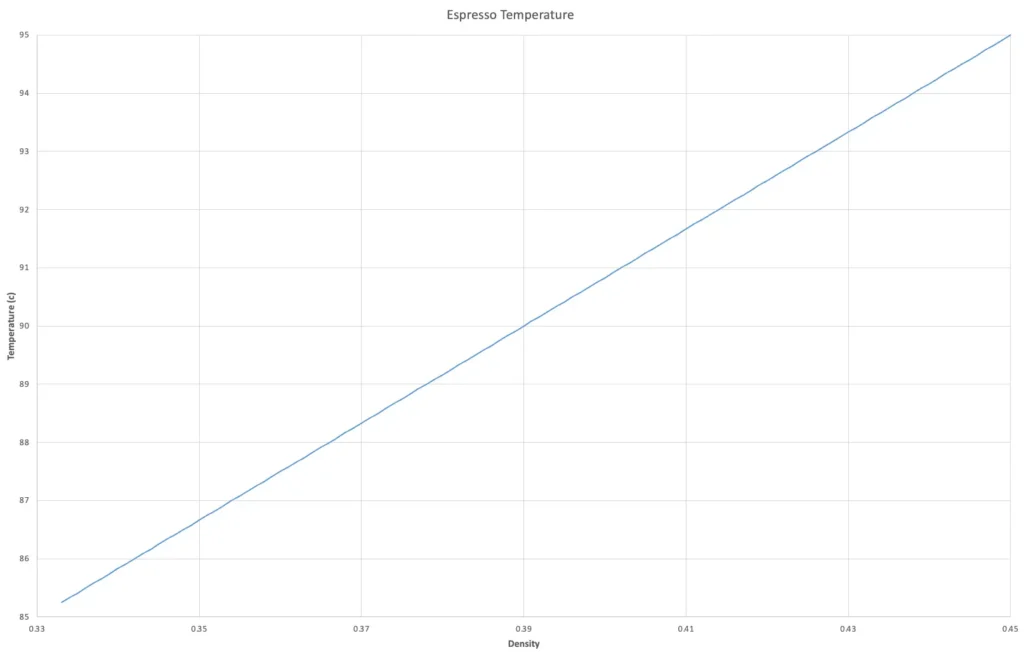
Espresso Temperature Calculator Higher temperatures extract soluble compounds much more easily than lower temperatures. For espresso, where the contact time is very short:Light roast brew temperature Celsius is 95 degrees.Medium roast brew temperature Celsius is 90 degrees.The dark roast brew temperature Celsius is 85 degrees. Your coffee is likely to be roasted somewhere between these […]
Espresso Dose Calculator
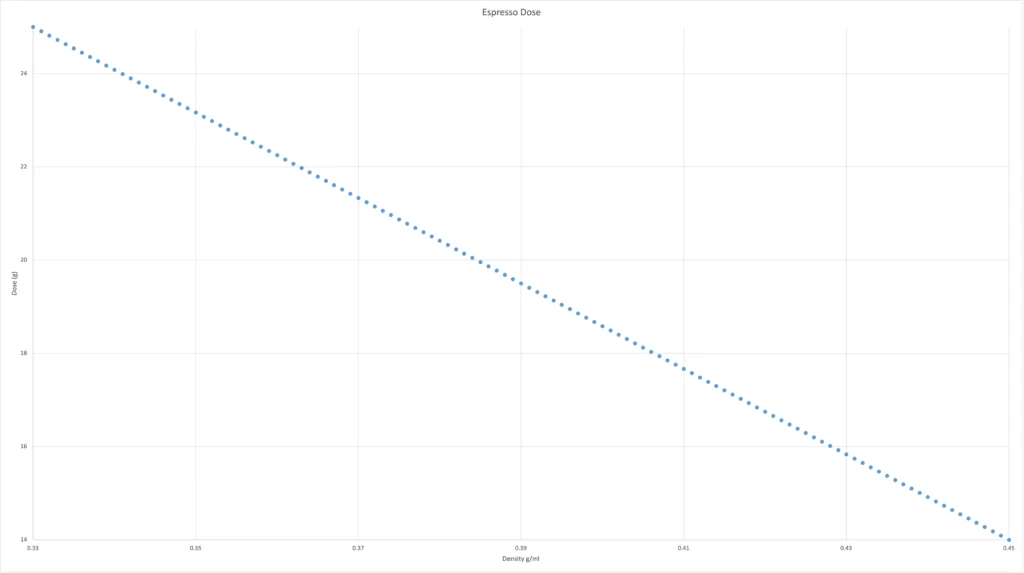
Espresso Dose Calculator Dose means the weight of dry ground coffee. When changing the Ratios across the 120-point Roast Spectrum, it is really useful also to change the Espresso Dose. For example, with a very light roast with a 1:4 ratio, a 14g dose produces a just manageable 56g yield of espresso. If you used […]
