

0.
380
gm/l
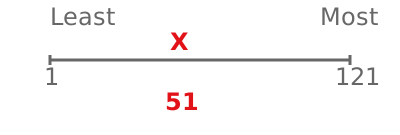
If sour
Extract moreIf bitter
Extract lessThere’s less than a 10% chance this recipe will be ideal for your roast level. However, if you’ve measured the density, your chances of success soar to 68%. The French press recipe series is designed for this: taste your cup, then move up the series for more extraction or down for less. Don’t hesitate to experiment with another recipe based on your taste test results—finding what tastes best for you is worth it!
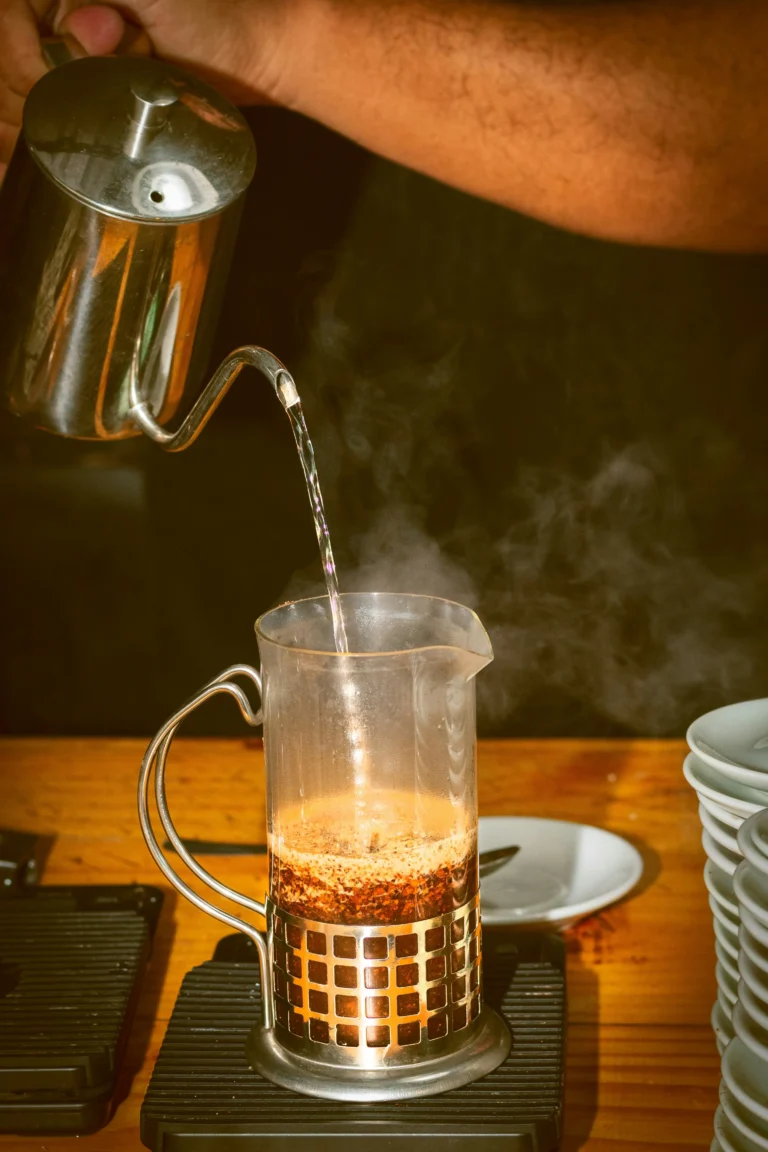
Photo by Romario Roges on Unsplash
Water
300
ml
15
Option-O P64
3.0
Medium Dark/Full City
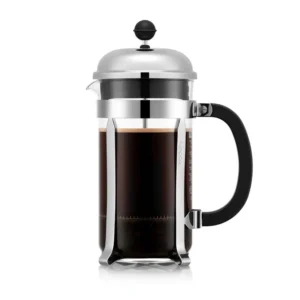
This is James Hoffmann’s French press method, adapted to the recipe series. It takes a little longer than a standard press, but letting the grounds settle before you pour gives a much cleaner cup, with far less silt.
Providing you are changing the dose, the ratio, the bits you can, you will be changing the TASTE, and that is what matters. YOU are finding a RECIPE that tastes better than the last recipe you tried.
Heat your water to the temperature shown above. Hoffmann uses water just off the boil; the recipe series adjusts the temperature to your roast instead.
Get your single dose out of the freezer. If you are not single-dosing and freezing your coffee, read How to Store Coffee Beans – 9 tips. While at it, read Best Coffee Beans – Six Purchasing Tips.
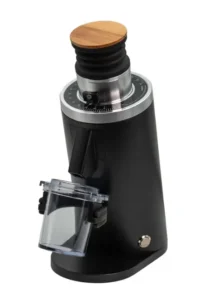
Grind your frozen coffee to a medium grind, about the same as for filter, using the grind setting above; do not defrost it. Don’t go coarse: the long settle, not a coarse grind, is what keeps this method clean.
Put the press on the scales, add the coffee and tare. Start the timer and pour the water shown above, making sure every ground is wet. The water is less than the size of your press, to leave room for the grounds and the plunger.
Leave it alone to steep for 4 minutes. A crust of grounds will form on top; that is normal.
Break the crust with a spoon and give it a gentle stir; most of the grounds will sink. Then skim off the foam and floating bits. Two spoons make this easier.
Wait 5 more minutes. The fine particles settle to the bottom, which is what makes this method so clean. You are NOT in a hurry.
Press the plunger only until the mesh sits on the surface of the coffee. Don’t push it down into the grounds. Pour slowly and leave the last bit in the press so the sediment stays behind.
Now, the most crucial step. Swirl the coffee, dip a teaspoon in and taste. Is the coffee sour? If so, next time you make this coffee, extract more using the recipe indicated by the button above.
If the coffee isn’t sour, ask yourself whether it is very bitter. Bitterness is harder to judge because all coffee is bitter to some extent. However, you can reduce bitterness by extracting less. Go too far, and it will turn sour. You are looking for the calm spot in between. If you need to reduce bitterness next time you make this coffee, extract less by using the recipe indicated by the button above.
I only endorse equipment I have purchased myself, and I do not earn a commission or have any links to the companies I recommend.
A classic, elegant washed Yirgacheffe from a well-known station.
Smallholders in the Aricha community deliver cherry to the Aricha washing station.
Yirgacheffe, in Ethiopia’s Gedeo zone, is famous for fertile soils, forested mountains and elegant washed coffees. Aricha sits at about 1,900 metres.
ORIGIN: YIRGACHEFFE, ETHIOPIA
STATION: ARICHA
PRODUCERS: SMALLHOLDERS
ALTITUDE: 1,900 MASL
VARIETIES: KURUME, WOLISHO, LOCAL LANDRACES
PROCESS: WASHED
Kurume and Wolisho are local Ethiopian landraces common around Yirgacheffe, usually grown together with other local selections.
Washed coffees have the fruit removed before drying, so the cup is shaped by the variety and the farm rather than by fermentation. They tend to taste clean, clear and bright.
Black & White Coffee Roasters is in Raleigh, North Carolina, in the US, founded by two US Barista Champions.
Model Version:
20261009.06
I have a dream: that this might raise the standard of coffee-making globally, reduce dialling in waste, time, and frustration, and encourage people to explore more varieties and pay more attention to the producers. You might even be prepared to pay more for better coffee if it pleases you, returning more money to growers.
You can help. The best thing you can do is spread the word on other platforms, such as Reddit or Facebook coffee forums, and share with others how this method can solve everyday problems.
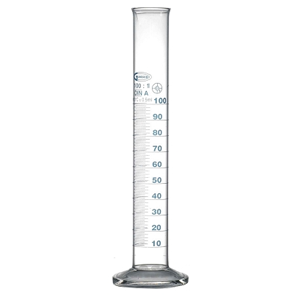
Using 0.1g accurate scales and the recommended 100ml measuring cylinder, and entering quality data into the form, helps improve the model. So does evidence-based feedback for parameter range adjustments.
You can also support the site financially via Buy me a coffee to help with ongoing running costs, site hosting fees, and plug-in subscriptions.