

0.
370
gm/l
If sour
Extract moreIf bitter
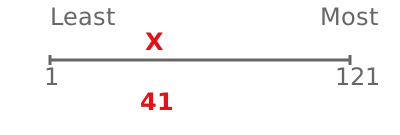
Extract lessThere’s less than a 10% chance this recipe will be ideal for your roast level. However, if you’ve measured the density, your chances of success soar to 68%. The filter coffee recipe series is designed for this: taste your cup, then move up the series for more extraction or down for less. It works the same whether you brew with a V60, a Switch, a Kalita, an Origami or a cloth drip pot. Don’t hesitate to experiment with another recipe based on your taste test results—finding what tastes best for you is worth it!

Yield
190
ml
14.0
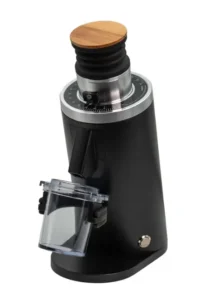
DF54
61
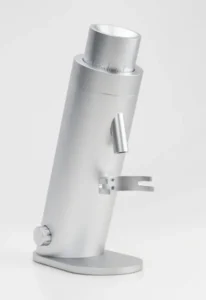
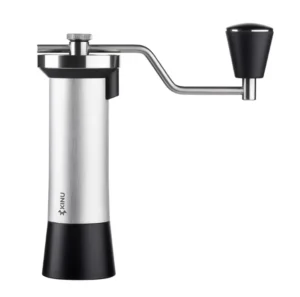
Option-O P64
4.7
T-90
Dark/Darker than Dark
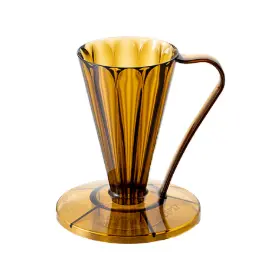
Don’t get hung up on the details. A Switch, a V60, a Kalita, an Origami, a Deep 27 or a cloth drip pot: the settings are the same. If you don’t have the right grinder, or you don’t know what that grind size even means, it doesn’t matter.
Providing you are changing the dose, the ratio, the bits you can, you will be changing the TASTE, and that is what matters. YOU are finding a RECIPE that tastes better than the last recipe you tried.
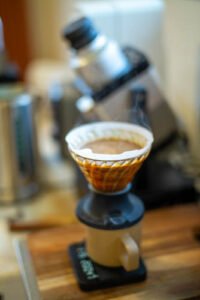
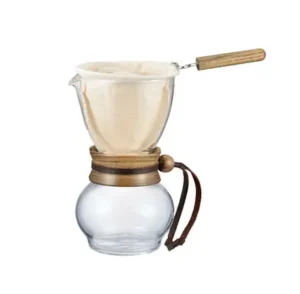
Pre-heat. Rinse the paper filter with hot water to wash out the paper taste and heat the brewer, then tip the rinse water out of your cup or carafe. Using cloth? Rinse it, wring it out, and never let it dry out between brews; keep it in water in the fridge.
Get your single dose out of the freezer. If you are not single-dosing and freezing your coffee, read How to Store Coffee Beans – 9 tips. While at it, read Best Coffee Beans – Six Purchasing Tips.
Grind your frozen coffee; do not defrost it.
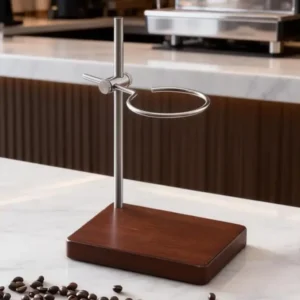
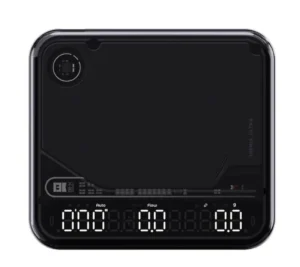
Put a drip stand over your cup or carafe, put the cup on the scales, sit the brewer on the stand, and tare. You are weighing the coffee you actually get, not the water you pour. On a Switch or a Clever, close the valve first. If you use Cafec papers, the settings above show which one suits this roast.
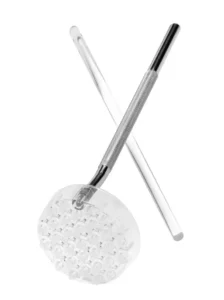
Bloom. Pour straight from the kettle, without the Melodrip, about three times the dose of water. Stir with a wet WDT stick so every ground is wet and no dry clumps are left, then wait for the bloom time shown above. Just like pre-infusion in espresso, this is where most of the extraction happens, and fresh coffee needs time to degas. You are NOT in a hurry.
I recommend using a Melodrip, pouring in multiple small batches, and keeping the water level just above the coffee bed. Swap out the cup when it reaches the yield you chose. The last of the drawdown is the most bitter part, so you lose nothing.
Switch or Clever: pour through the Melodrip with the valve closed, then open it and aim to reach the yield around the brew time. V60, Kalita, Origami, Deep 27 or cloth: aim to reach the yield around the brew time. Don’t chase it to the second.
Now, the most crucial step. Swirl the coffee, dip a teaspoon in and taste. Is the coffee sour? If so, next time you make this coffee, extract more using the recipe indicated by the button above.
If the coffee isn’t sour, ask yourself whether it is very bitter. Bitterness is harder to judge because all coffee is bitter to some extent. However, you can reduce bitterness by extracting less. Go too far, and it will turn sour. You are looking for the calm spot in between. If you need to reduce bitterness next time you make this coffee, extract less by using the recipe indicated by the button above.
Making a big brew? Past about 500 ml the bed gets deeper, drains slower and extracts more, so expect to step towards Extract less, or grind a little coarser.
I only endorse equipment I have purchased myself, and I do not earn a commission or have any links to the companies I recommend.
A clean, honey-processed Costa Rican from one of Tarrazú’s best-known families. It is an easy, sweet everyday filter coffee and a good reference point for honey processing.
La Ladera is owned by Pablo Bonilla and processed through the family’s Don Mayo micromill. The 20-hectare farm plants native species among the coffee, treats its wastewater and runs a small hydroelectric plant during the harvest.
Tarrazú is Costa Rica’s most famous coffee region, in the mountains south of San José. La Ladera sits at 1,850 metres above sea level.
ORIGIN: TARRAZÚ, COSTA RICA
FARM: LA LADERA
MILL: DON MAYO
PRODUCER: PABLO BONILLA
ALTITUDE: 1,850 MASL
VARIETIES: CATUAÍ, CATURRA
PROCESS: HONEY
Caturra is a natural dwarf mutation of Bourbon found in Brazil, and Catuaí is a Brazilian cross of Mundo Novo and Caturra. At La Ladera, Catuaí is grown on the higher slopes and Caturra lower down.
A honey process removes the skin but leaves some of the sticky fruit on the bean while it dries. It sits between washed and natural, adding sweetness and body without heavy fruit-ferment flavours.
Ozone Coffee started in New Plymouth, New Zealand, and also roasts in London. This coffee is sold in 250 g bags, as beans or ground to order.
Model Version:
20261009.06
I have a dream: that this might raise the standard of coffee-making globally, reduce dialling in waste, time, and frustration, and encourage people to explore more varieties and pay more attention to the producers. You might even be prepared to pay more for better coffee if it pleases you, returning more money to growers.
You can help. The best thing you can do is spread the word on other platforms, such as Reddit or Facebook coffee forums, and share with others how this method can solve everyday problems.
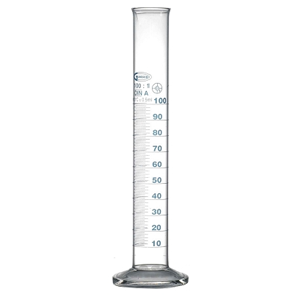
Using 0.1g accurate scales and the recommended 100ml measuring cylinder, and entering quality data into the form, helps improve the model. So does evidence-based feedback for parameter range adjustments.
You can also support the site financially via Buy me a coffee to help with ongoing running costs, site hosting fees, and plug-in subscriptions.